







Search Results for: slow pour
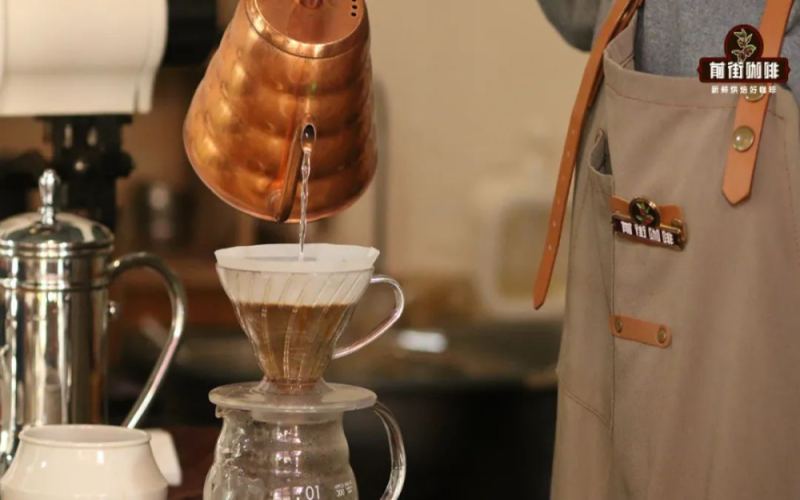
How Does Pour-Over Flow Rate Influence Flavor? Timing and Application of High vs. Low Flow Rates
What flavor differences do variations in pouring speed actually create during pour-over coffee brewing? Many enthusiasts hold misconceptions about flow rate—for example, believing that a slow pour is necessarily gentle and a fast pour is inevitably aggressive—when in fact the degree of turbulence is the real key to judging gentleness versus boldness. Moreover, because kettle spout diameters and water control abilities differ from person to person, there is no universal standard for what counts as a fast or slow pour. In this article, Front Street Coffee will guide you past these two misconceptions, teach you how to measure your own pouring rate with a digital scale, and analyze in detail how different flow rates affect extraction time, water level height, and the final taste, while also offering practical advice on when to increase the flow and when to switch to a slower pour, helping you find the pouring rhythm that suits you best. [more…]
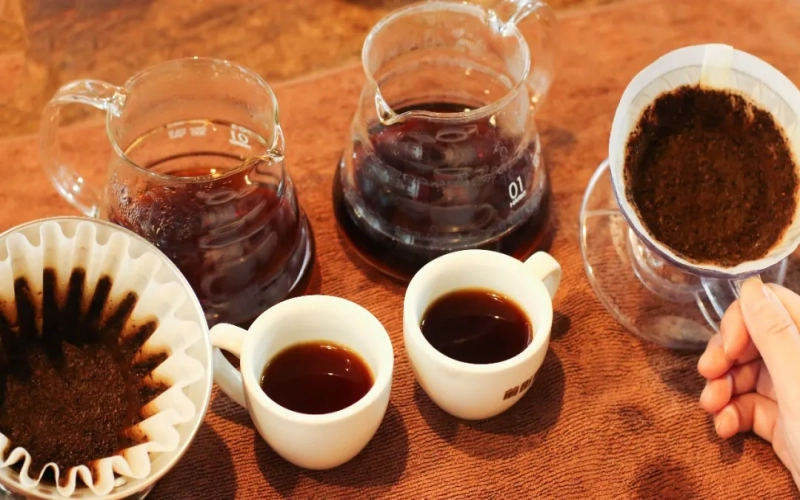
How Does Fine Grind Fast Extraction Differ from Coarse Grind Slow Extraction? A Full Analysis of Pour-Over Parameters and Flavor Differences
Among the many variables that affect extraction results, the combination of grind size and extraction time has long been a subject of debate. This article compares two approaches—"fine grind, fast brew" and "coarse grind, slow brew"—analyzing their differences in flavor complexity, body, and balance. Drawing on the actual brewing parameters for Front Street Ethiopia Huakui, it demonstrates the procedures for fine grind with a short time and coarse grind with a long time, helping coffee enthusiasts understand the applicable scenarios and room for adjustment for each approach. [more…]
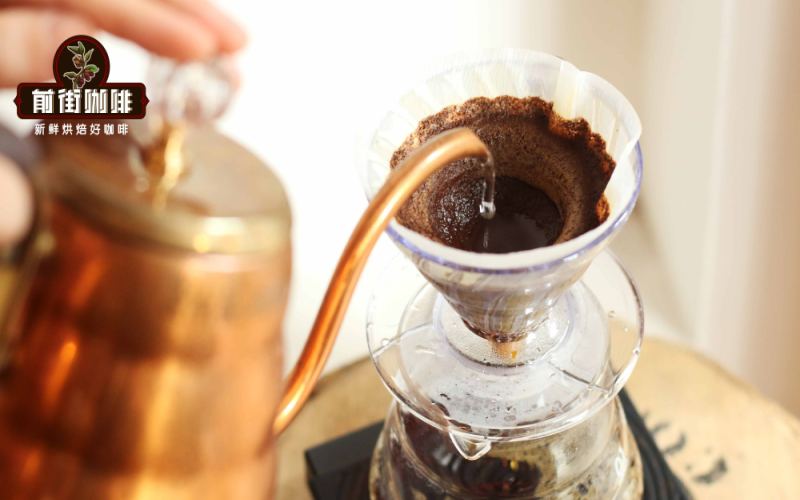
Fine Grind Fast Pour vs. Coarse Grind Slow Pour: Flavor Differences and Practical Comparison of Two Pour-Over Schools
In the world of pour-over coffee, beyond the common brewing schools, two opposing approaches have emerged, divided by grind size and brew time: fine grind fast brew and coarse grind slow brew. Both are based on the same extraction principles, yet they deliver entirely different drinking experiences. This article will analyze the theory behind these two approaches from the perspectives of surface area, water flow rate, and dripper pairing, and conduct a practical comparison using the same medium-roast Papua New Guinea · Bird of Paradise beans, using a V60 and a Kono dripper, the same coffee-to-water ratio and water temperature, to observe the specific flavor differences between fine grind fast brew and coarse grind slow brew, helping coffee enthusiasts understand how to choose the right brewing strategy based on grind size. [more…]
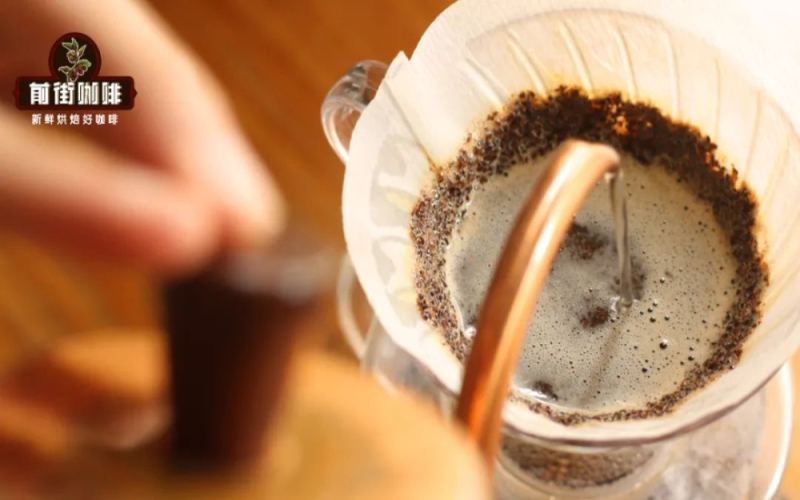
Low-Temperature Fine-Grind Slow-Pour Method Practical Guide: Pour-Over Extraction Parameters and Flavor Comparison Using 50°C Water with Moka Pot Grind
The joy of pour-over coffee lies in the fact that with the same bean, a different extraction approach can produce a completely different flavor in the cup. Today I'll share a special method called "low-temperature fine-grind slow pour," inspired by automatic cold brew machines—grinding the coffee to a fineness close to espresso, then using low-temperature water to extract slowly. This approach both releases the coffee's flavors more completely and effectively avoids over-extraction. Below, using Front Street. Blackberry as an example, I'll break down the grind parameters, pouring technique, and extraction ratio in detail, compare the flavor with a conventional pour-over method, and include notes from actual practice for coffee enthusiasts to try. [more…]
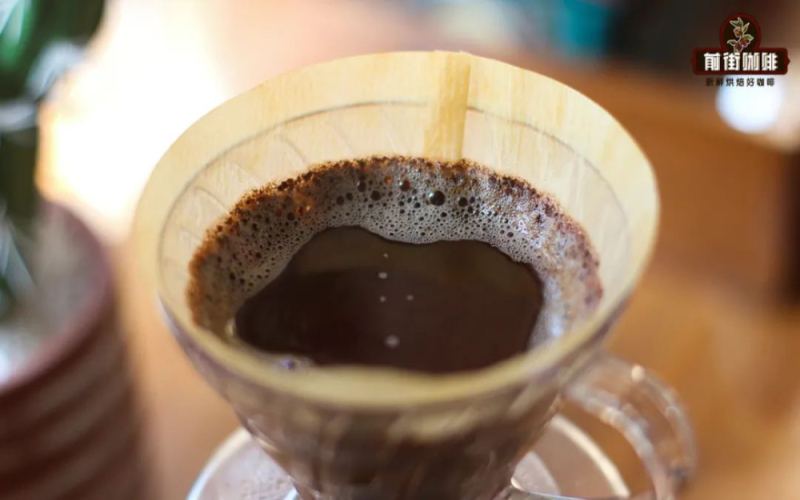
Why does pour-over coffee develop pooling that resembles channeling? Analyzing the main causes of slow drainage
Many coffee enthusiasts teach themselves pour-over brewing by watching tutorial videos, but when they actually try it, they often find that the dripper drains far more slowly than in the videos, and water pooling in the coffee bed drags out the total brew time. What exactly causes this pooling phenomenon, which resembles channeling? Front Street Coffee believes the problem mainly comes from three areas: a mismatch between the chosen video and one's own coffee beans, the influence of grind size and ultra-fine particles, and differences in pouring technique. This article will analyze everything from roast level, bean freshness, and grinder quality to pouring method, to help everyone find the root cause of slow drainage and offer practical adjustment ideas, making the pour-over process more controllable. [more…]

Analysis of the Causes of Slow Drawdown in the Final Phase of Pour-Over Brewing and Practical Solutions
The total brew time of a pour-over is shaped by multiple factors at once—grind size, how the particles take on water, the pouring technique, and the design of the dripper—making it very hard to control precisely. Many people new to pour-over habitually use time as the standard for judging whether the flow rate is normal. Once the flow at the tail end of the brew refuses to come down, the extraction time gets dragged out and the coffee easily picks up bitter, off-flavors. This article focuses on the common frustration of standing water at the tail end of a pour-over, analyzing the causes one by one—from the quality of the coffee grind, the roast level of the beans, the pouring technique, and puck management—and offers the corresponding solutions summarized by Front Street to help you find the real reason behind the slow drainage and adjust accordingly. [more…]
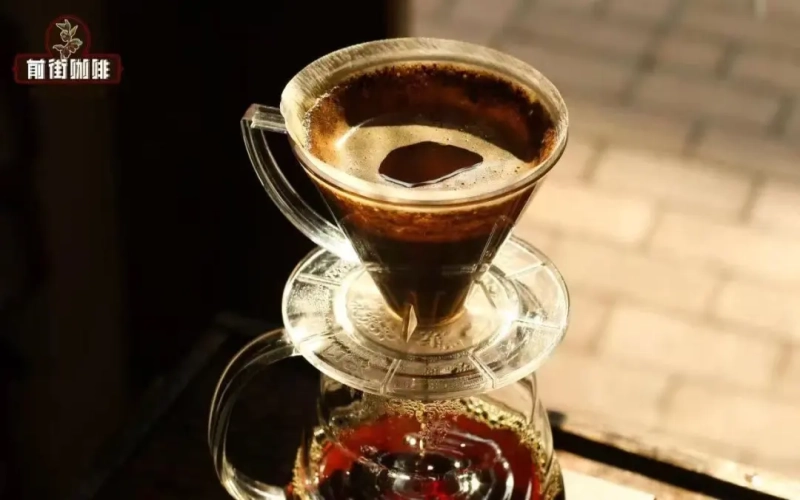
How to Fix Slow Drawdown in Pour-Over Coffee? A Full Analysis of the Three Major Factors: Fines, Agitation, and Bean Density
When brewing pour-over coffee, water failing to drain through the dripper is a problem many enthusiasts encounter. The causes of clogging are not singular—too many fines, overly vigorous agitation, and high bean density can all slow the flow. This article starts from these three common factors, analyzing each cause one by one and offering corresponding ways to improve them—including coarser grinding with a slower extraction, using a sifter, and adjusting pouring technique. At the same time, it will explain that clogging does not necessarily mean over-extraction, and whether to make adjustments should ultimately be based on how the coffee tastes on the palate. Front Street Coffee will share its brewing experience with high-density beans, using the Yirgacheffe Giddingding from its own bean list. [more…]
Panama Elida ASD Anaerobic Low-Temperature Slow Natural Geisha: Four Pour-Over Brewer Methods and Flavor Comparison
Front Street recently acquired a Geisha coffee bean from Elida Estate in Panama, processed using the NATURAL-ASD anaerobic fermentation low-temperature slow sun-drying method—the same process used for this year's Panama BOP champion Geisha in the processing category. After the beans were properly rested, we tested brewing with a hollow filter cup, Ice Eye filter cup, cake filter cup, and diamond filter cup, standardizing the parameters to 15 grams of coffee, medium-fine grind, 90°C water temperature, and a 1:15 coffee-to-water ratio, recording the extraction time and flavor performance for each filter cup. Elida Estate is renowned for its sun-dried processing, and this ASD Geisha shines in fermentation aroma, juicy mouthfeel, and layered tea-like notes. Below, we share four specific brewing recipes and comparison results for coffee enthusiasts' reference. [more…]
Cause Analysis of Slow Flow in High-Density Light-Roast Pour-Over Coffee and a Practical Small-Flow Brewing Approach
Many coffee enthusiasts often encounter problems such as slow drainage, weak flavor, or bitterness when brewing high-density light-roast beans. These beans, due to their tight structure, high altitude, or light roast, easily settle and clog in the filter basket, leading to over-extraction or uneven extraction. Starting from Front Street's practical experience, this article analyzes the underlying reasons why high-density beans are difficult to brew and offers two approaches: first, multi-pour brewing, suitable for those not yet skilled at water control; second, a three-pour method with a slow, small stream throughout, better suited to players with some water-control foundation. Using Ethiopia's Geisha Village Red Label as an example, the article details the dose, grind, water temperature, and pouring rhythm to help you brew a great coffee with citrus and berry sweetness and acidity, rose aromatics, and an oolong finish. [more…]
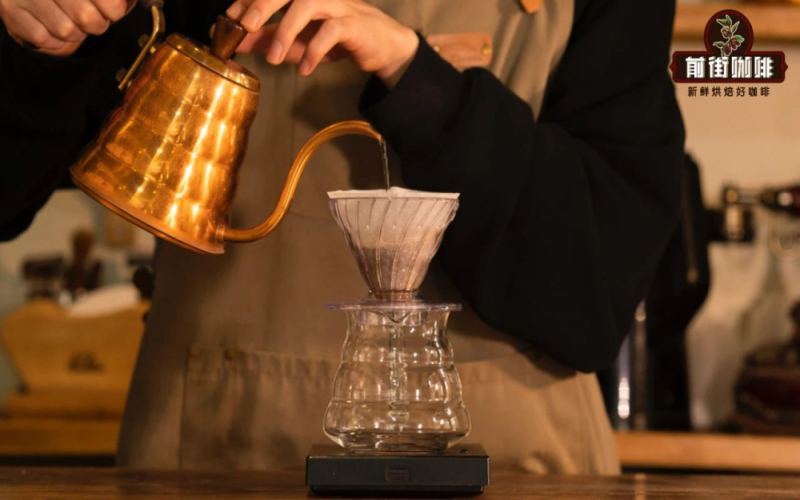
How Do Pour-Over Flow Rate and Spiral Speed Affect Flavor? A Guide to Brewing Fruity Coffee Beans
In the practice of pour-over coffee, flow rate and circling rhythm are two variables that are easily overlooked yet profoundly affect the final flavor. Front Street Coffee has previously conducted dedicated tests on these two factors separately. This time, we further cross-combined flow rate and circling speed, using two extreme methods—slow circling with a small stream and fast circling with a large stream—to conduct a comparative brewing of a fruity, rich Front Street Colombia Sidra. The experiment was carried out under completely identical conditions of dose, coffee-to-water ratio, grind size, and water temperature. Through concentration measurement and flavor description, it reveals the specific effects of different pouring strategies on extraction efficiency and taste direction. Whether you prefer a full-bodied, rich cup or a light, delicate one, this article will provide reusable adjustment ideas for your daily brewing. [more…]
Panama Elida Estate Geisha Coffee: Flavor Analysis of the ASD Anaerobic Slow Dry Natural Process
Geisha coffee is widely recognized as the most noble variety in specialty coffee, and Panama's Elida Estate set a historic record of 94.15 points in the 2016 BOP competition with its exceptional Geisha beans. This article will guide you through the origins and flavor characteristics of Geisha, and provide an in-depth analysis of Elida Estate's ASD anaerobic slow-dry natural processing method—a technique pioneered by estate owner Mr. Wilford that, through sealed anaerobic fermentation and low-temperature slow drying, gives the coffee more pronounced floral notes and tropical fruit tones. Front Street Coffee will also share the specific brewing parameters and flavor profile of this Panama Elida Estate Geisha, making it a worthwhile read for every specialty coffee enthusiast. [more…]
What does circular pouring actually affect in pour-over brewing? Extraction differences and practical tips from flow rate and circling speed
When brewing pour-over coffee, the size of the water stream and the speed of the circling often determine the direction of the final flavor. This article analyzes these two variables: how a small stream and a large stream respectively change the thickness of the coffee bed, the drainage speed, and the mouthfeel; and how the speed of circling affects the washing force and extraction efficiency. Using 15g of coffee, a 1:15 coffee-to-water ratio, and a water temperature of 91℃, it conducts a comparative brew of two combinations—"small stream with slow circling" and "large stream with fast circling"—recording the differences in concentration and flavor to help you understand the true role of circling in extraction and adjust your grind and technique accordingly. [more…]
Ethiopian Natural Geisha Ice Drip Coffee: A Low-Temperature Slow-Brew Method That Restores the True Essence of Flowers and Fruit
Cold brew coffee is extracted slowly at low temperature with ice water, and after several hours of dripping, it can reveal a clean, smooth, and richly layered flavor. This article focuses on the Ethiopian sun-dried Grana Geisha, a floral-and-fruity bean variety, and shares a complete approach and parameters for making cold brew coffee at home: from the principles of cold brew, water speed control, and coffee-to-water ratio settings, to the specific data for Front Street Grana sun-dried Geisha, such as 60 grams of coffee, a 1:10 coffee-to-water ratio, and 5 drops per 10 seconds, and then to the operational steps of pre-wetting the coffee, laying filter paper, and refrigerated fermentation. Mastering low-temperature slow extraction and moderate fermentation can better highlight the citrus, honey, and floral notes of Geisha. [more…]
How is the quality of Elida Estate Catuai coffee beans? A detailed explanation of the ASD slow anaerobic natural process
As a veteran famous estate in the Boquete production region of Panama, Elida Estate has won championships in BOP competitions for many years, and its Catuai variety coffee beans have always attracted much attention. This article focuses on the newly listed Elida Estate · Anaerobic Natural Catuai from Front Street, providing a detailed interpretation of the ASD (slow anaerobic natural) processing method, analyzing the flavor performance and roasting approach of this bean, and sharing Front Street's specific parameters and serving experience in pour-over and espresso preparation. Whether you want to understand the tier positioning of this bean or are curious about the unique flavors brought by ASD processing, you can find the answers here. [more…]

Panama Santos Estate Geisha ASD Anaerobic Low-Temperature Slow Dry Process and Flavor Analysis
Santos Café Panamá is located in the Nacimiento area of Santa Clara and has been owned and passed down by the Lezcano family since their purchase in 1947, now spanning five generations. In 2014, estate owner Mario Lezcano acquired La Marma estate and formally entered the specialty coffee field, and his Pacamara "White Horse" even won the traditional washed category championship at the 2021 BOP competition. This article focuses on Santos Estate's Geisha coffee beans, providing a detailed explanation of the ASD anaerobic fermentation low-temperature slow sun-drying process they use, and presenting Front Street Coffee's roasting approach, cupping performance, and V60 brewing parameters for this bean, offering you a comprehensive understanding of this Panamanian Geisha that combines dark berries, hawthorn acidity, and a black tea finish. [more…]
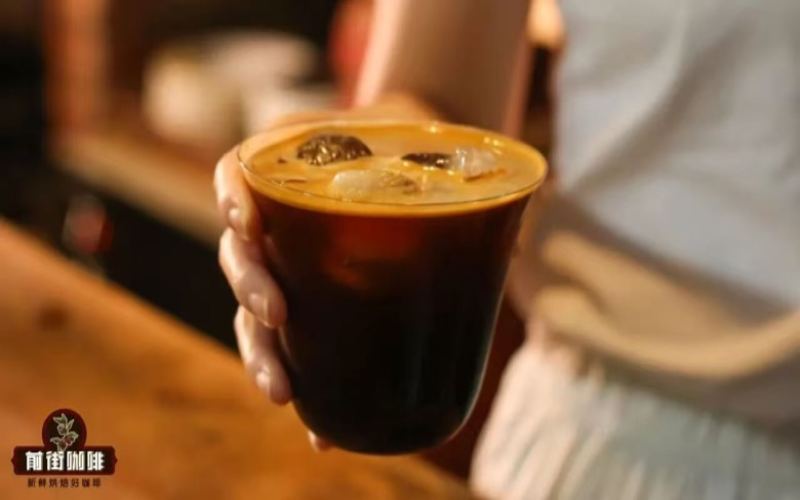
Iced drip coffee bean recommendations: clean fruity aromas through slow extraction
The extraction speed of cold brew coffee is measured in drops—a slow extraction at one drop per second gradually draws out the cleanest flavors from the beans, while astringency and off-flavors are filtered out by time. Front Street Coffee's Ethiopia Huakui (Geisha) beans make an excellent cold brew: the aroma of tropical fruit drips into the coffee liquid along with the ice water, and the final product has a clear, fruit-tea-like texture that hot brewing simply cannot [more…]
The Complete Guide to Pour-Over Light Roast Coffee: Solve the Slow Flow and Water Pooling Problem, Easily Brew Sweet Flavors
Light roast coffee beans are beloved for their bright floral and fruity aromas, but many enthusiasts often run into slow flow rates and easy pooling when brewing pour-over at home, ultimately extracting nothing but a monotonous sour taste. This actually has a lot to do with the physical structure of light roast beans: with a light roast level, the bean body is dense, the carbon dioxide content is low, and both water absorption and degassing capacity are weak, causing fines to easily settle and clog the dripper. This article will take a deep dive into the difficulties of pour-over brewing with light roast beans, and drawing on Front Street Coffee's brewing experience, share how to effectively enhance the sweetness and complexity of coffee by adjusting water temperature, pouring technique, and staged extraction, so you can consistently brew a well-balanced cup with both acidity and sweetness at home. [more…]
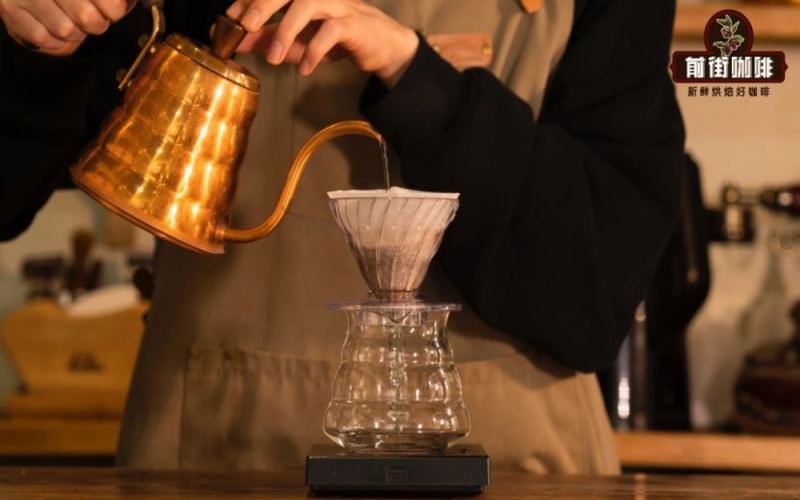
Ice Drip vs. Iced Pour-Over Coffee: A Flavor Comparison of Low-Temperature Slow Extraction and High-Temperature Fast Extraction
Ice drip coffee and iced pour-over coffee are often mentioned together, but the two differ significantly in extraction principles, flavor expression, and brewing process. Ice drip is a low-temperature slow extraction, while iced pour-over is a high-temperature fast extraction followed by cooling. Temperature greatly affects the breakdown rate of oils, acids, and sugars in coffee, thereby shaping distinctly different aromas, mouthfeels, and layers. From the perspective of Front Street Coffee, this article systematically sorts out the respective characteristics of high-temperature extraction and low-temperature extraction, and, using Honduras Sherry coffee beans as an example, records in detail the brewing parameters and flavor comparison of ice drip and iced pour-over, helping coffee enthusiasts more clearly understand the essential differences between the two kinds of iced coffee. [more…]
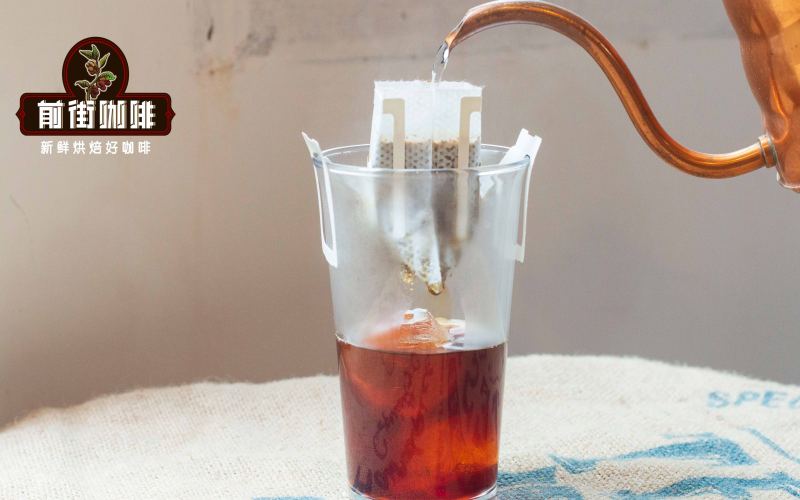
Analysis of the Causes of Slow Draining or Clogging in Drip Bag Coffee and a Detailed Guide to Smooth Brewing Techniques
Drip bags have become a daily choice for many coffee lovers thanks to their convenience, but encountering slow drainage or even complete clogging during brewing is frustrating. Even when you follow the steps, the hot water lingers in the filter bag for a long time, and the coffee grounds soak at the bottom, which both affects the taste and causes waste. This article will systematically analyze the causes of drip bag clogging from four dimensions—filter material, pouring technique, grind size, and shaking habits—and, combined with Front Street Coffee's hands-on testing experience, provide targeted solutions and brewing suggestions to help you consistently brew a clean and delicious cup at home. [more…]
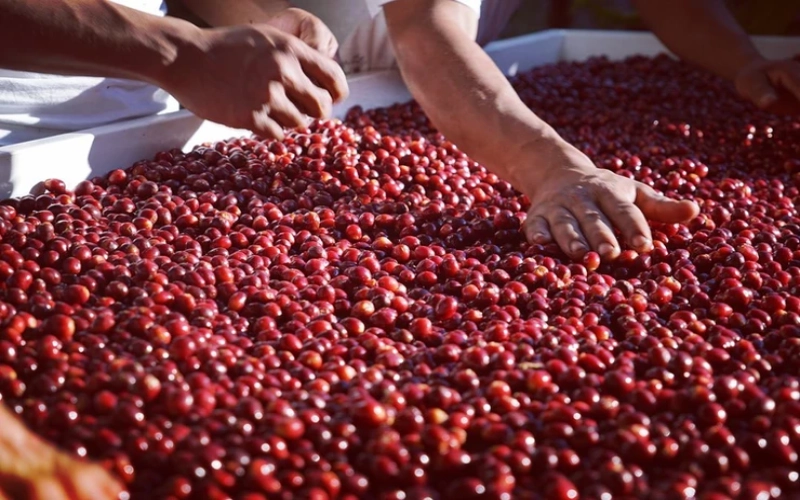
Panama Elida Green Tip Geisha Price and Pour-Over Parameters Explained: Flavor Characteristics and Brewing Recommendations
Geisha coffee rose to fame after Hacienda La Esmeralda in Panama won the BOP competition in 2004, and its price has been climbing ever since. This article will start with the historical origins of Geisha, focusing on the Green Tip Geisha from Elida Estate in Panama—a legendary bean that set a record of 94.66 points at the 2018 BOP. Front Street Coffee will share the flavor profile of this bean, the characteristics of the Anaerobic Slow Dry (ASD) processing method, and why the powder-to-water ratio should be adjusted to 1:16 when brewing. In addition, it will explain the price difference between Elida Geisha in-store and regular pour-over, and provide complete pour-over parameters for reference. [more…]